
Healing in the Present: Concepts and Skills

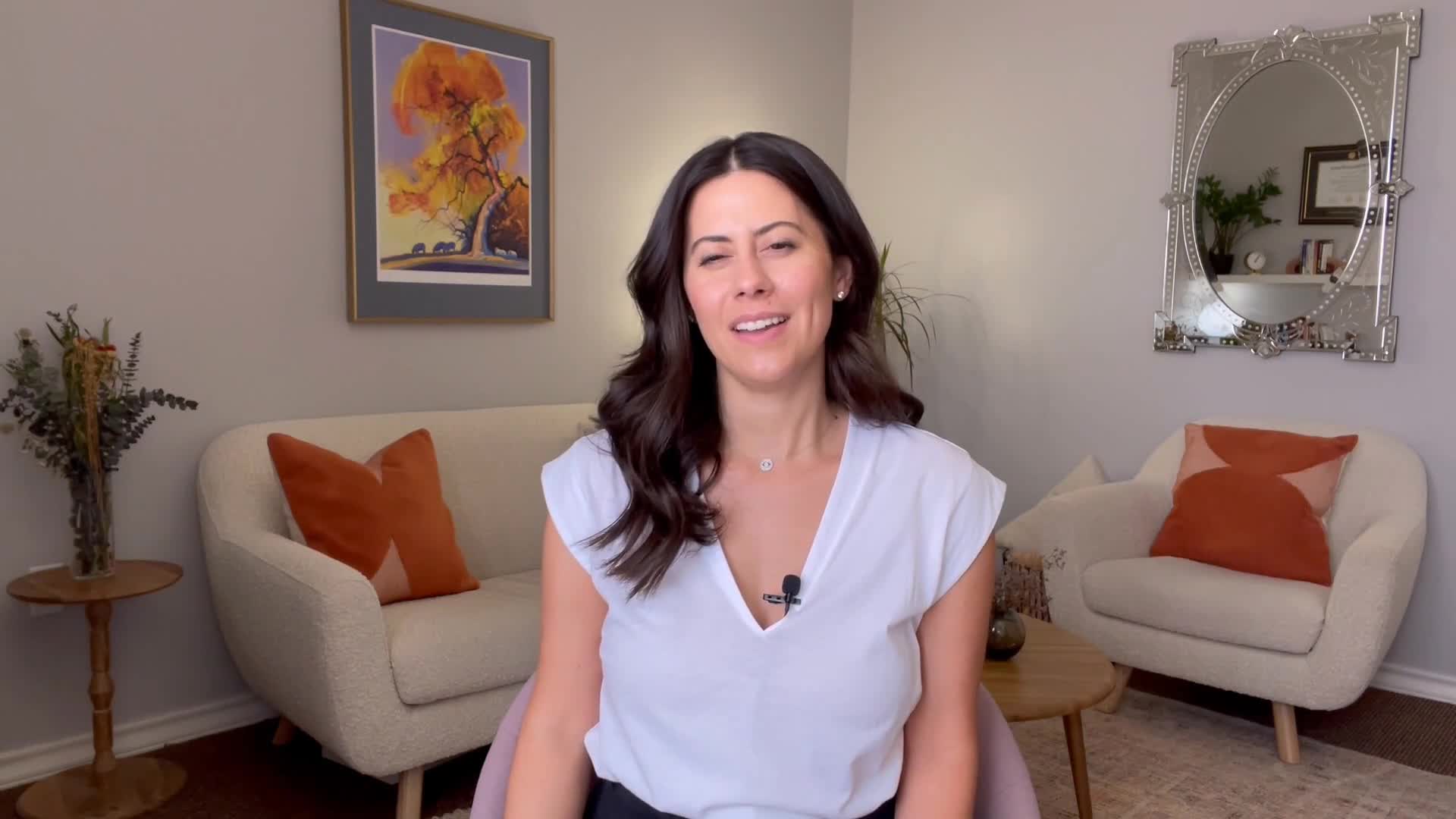
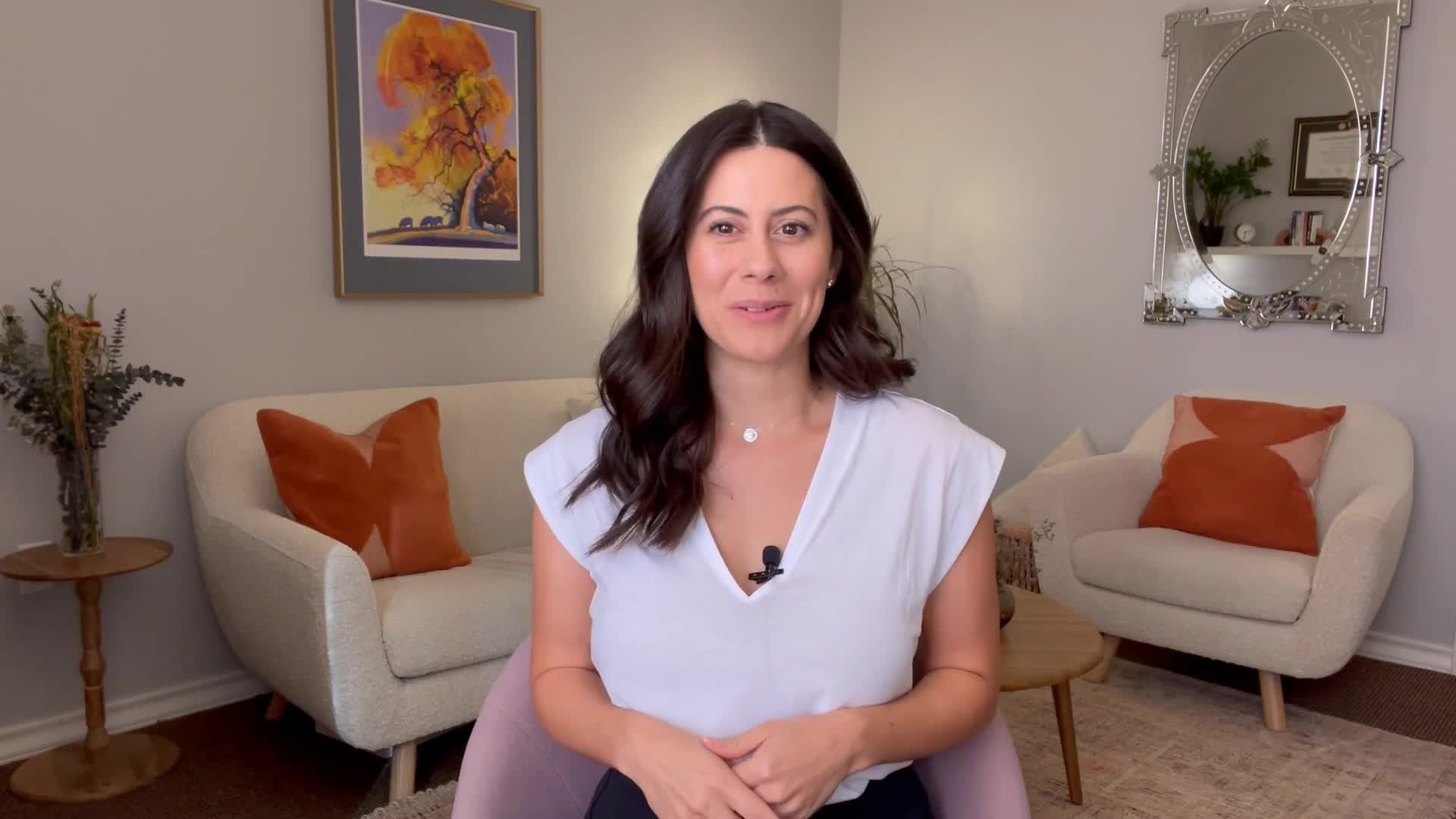
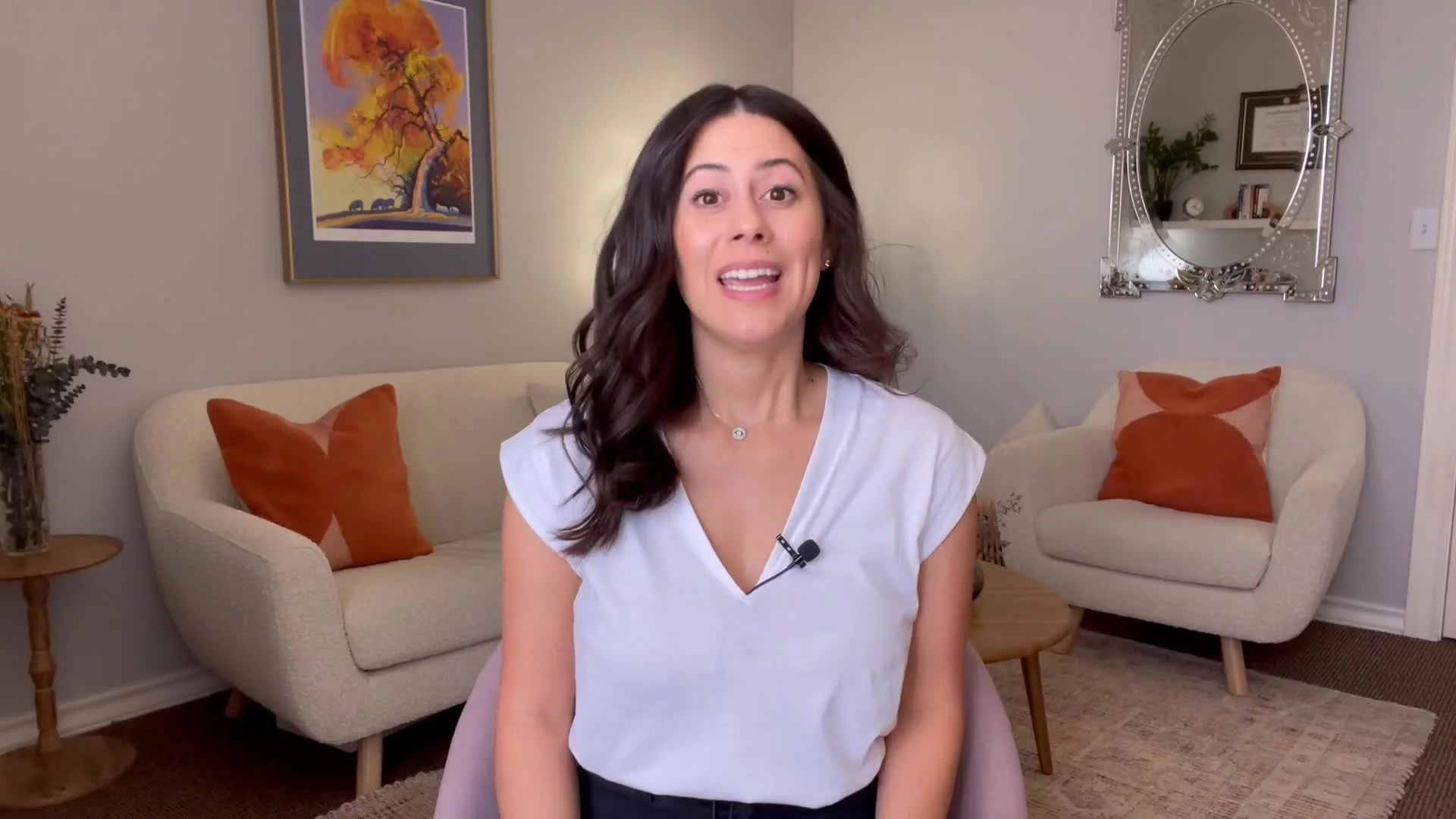
Welcome! This short video series was made to support to my clients, and their Nervous Systems, as we step into the gritty work of healing and trauma recovery. The mini lessons are educational, practical, embodied, and created to build competence, groundedness, and hope. So, please stay a while, reflect, and let me know what you learn. -Kristin

Together we’ll explore how difficult experiences impact our systems and how to use lifestyle factors and mindful presence to support healing and build your coping skill and self-care tool kit.

What to expect:

  • 45 minutes of content broken down into 12 short and condensed videos with accompanying written highlights, journal prompts, and practices.

  • Lessons on the Nervous System, Emotional Awareness, Unconscious Learnings, Mindfulness, and Lifestyle Factors that support healing.

  • Coping skills, guided meditations and practices, downloadable outline and journal pages, and practical applications of the material.
Skip to Videos
  • • 11/1/23

    Introduction to the Series (Video 1/12)

    Kristin’s course explores practical tools for healing and growth, blending research, mindfulness, and nervous system awareness. Through concise lessons and reflective practices, it helps you understand change, build coping skills, and deepen your therapeutic journey with openness and curiosity.

  • • 11/2/23

    Defining Healing (Video 2/12)

    Healing is a personal and unique process of resolving past experiences that still impact our body, emotions, and relationships. It goes beyond coping—aiming for deeper change and integration. Through curiosity, reflection, and body-based awareness, we can process unresolved experiences, shift limiting beliefs, and move toward balance and wellbeing. There’s no one-size-fits-all path; healing unfolds through understanding, practice, and applying what works best for you.

  • • 11/3/23

    The Importance of Presence in Healing (Video 3/12)

    Presence is essential for healing and lasting change. Trauma pulls us into the past and anxiety into the future, but healing happens in the present. Mindful presence—awareness of our internal and external experiences without judgment—grounds us and supports regulation. Though slowing down can surface discomfort or unfinished emotions, mindfulness offers tools to face rather than avoid them, helping us reconnect and heal in the moment.

  • Safety in Healing (Video 4/12)

    Safety Takeaway: Creating and noticing safety is our first healing goal. Danger (real or imagined) keeps us in survival mode. Practices and lifestyle changes help shift us into a space more conducive to healing.

    Practice (2:27): Orienting towards safety: Take a breath. Mindfully notice cues in your environment that indicate you are here and safe.

    ‘Regulation’ & ‘Resourcing’ are therapy specific terms that often describe practices and coping skills that aim to soothe your nervous system or bring it back to it’s optimal state.

    Journal & Thought Prompts: What was it like to orient to your space? What challenges arose? What in your current life indicate safety or danger? What can you do to bring more physical or psychological safety to your life?

    “Many larger challenges are not quickly or easily resolvable, but they do need to be prioritized and may indicate a greater need for supportive practices and lifestyle changes.

    Additional Readings

    Becoming Safely Embodied: A Guide to Organize Your Mind, Body and Heart to Feel Secure in the World, Deirdre Fay, MSW

  • Social Media Course image healing mindfulness coping skills.png

    Rest & Restorative Activities (Video 5/12)

    Rest Takeaway: Rest and sleep are different but equally important. Rest is the bridge that gets us to better sleep. Rest and quality sleep help our system integrate past and daily life.

    Action: Learn about 7 types of rest and determine your needs (physical, mental, spiritual, emotional, sensory, social, and creative). Incorporate restorative activities like gentle movement, time in nature, reading, journaling, crafting, and meditation into daily life.

    Tip: Restorative activities that incorporate rhythm are particular helpful in regulating our systems. Walking, dance, sewing, swinging, and even the sound of ocean waves offer a sense of rhythm. Try using a restorative activity as a transition activity, for example, when you end work, arrive home, or before bed.

    Practice (1:14): Comforting Place Meditation, use sensory memory to deepen the experience.

    Journal & Thought Prompts: Explore and describe favorite restorative activities or places. Where can you incorporative these into your daily life? Are there certain days in your week where rest is hard or extra needed? What thoughts, feelings, or situations prevent you from getting rest?

    “Remember there are passive and active forms of rest. We ‘rest’ through engaging with restorative activities.”

    Additional Readings

    Resource: Sacred Rest, Saundra Dalton-Smith, MD

  • Food & Mindful Eating (Video 6/12)

    Food Takeaway: Mindful eating can help us to feel more present, aids in digestion, and can begin to shift our experience and relationships with food.

    Mindful Eating Practice (2:25): Slow down, serve and seat yourself, gaze at your food, experience the meal with all senses, check in on hunger and fullness.

    Journal & Thought Prompts: Describe your current and ideal relationship with food? What associations do you have for different foods or meal time?

    “Mindful eating can help us shift from using food as an escape from discomfort to using food as a source of true nourishment and enjoyment.”

    Additional Resource

    Resource: The Center For Mindful Eating

  • Supportive Relationships (Video 7/12)

    Supportive Relationships Takeaway: Healthy relationships improve quality of life. Our systems find regulation and also learn how to regulate through coregulation. Lean on trusted others in hard moments.

    Practice (2:21): Safe Person Meditation

    Journal & Thought Prompts: What was your experience of being “attended to” as a child? What are ways that you have been using coregulation in your life? What stops your from reaching out for support? Take an inventory of your social support system, where are you needing more connections, where are you feeling content?

    “We weren’t built to be handling hard things on our own.”

    Additional Readings

    Platonic: How the Science of Attachment can help you Make and Keep Friends, Marisa Franco, PhD

  • Body: Nervous System & WOT (Video 8/12)

    Takeaway: Hard experiences change how our system responds to stress and threat. Lifestyle changes and direct practice offer immediate regulation and widen your Window of Tolerance for long term change.

    Why it matters: When we are inside our Window of Tolerance we are able to respond appropriately to challenges and we can shift into more relaxed states that allow our bodies to digest our food and connect to our people.

    ‘Regulation’ & ‘Resourcing’ are other therapy specific terms that often describe coping skills that aim to soothe your nervous system or bring it back to it’s optimal state.

    Regulating Practices (4:53)

    • Box Breathing or stretching out inhales/exhales

    • Progressive Muscle Relaxation

    • Noticing cues of safety

    • Self Touch: right hand over heart, left hand under right armpit, intentional breathing

    • Spend time in nature

    • Sound therapy: Nature and water sounds, binaural beats

    Tip: Different tools are often needed or preferred for different times or different states.

    Journal & Thought Prompts: Explore how your nervous system feels when you’re in your window of tolerance, in hyperactivation, or hypoactivation? Start to think about what tools may fit best for your different nervous system states. Where can you “plug” a practice into daily life?

    “A healing goal is to widen our nervous system’s tolerance for stress so that we can respond more appropriately to life situations.”

    Additional Resource:

    Polyvagal Card Deck: 58 Practices for Calm and Change

  • Heart: Emotional Awareness & Feeling Our Feelings (Video 9/12)

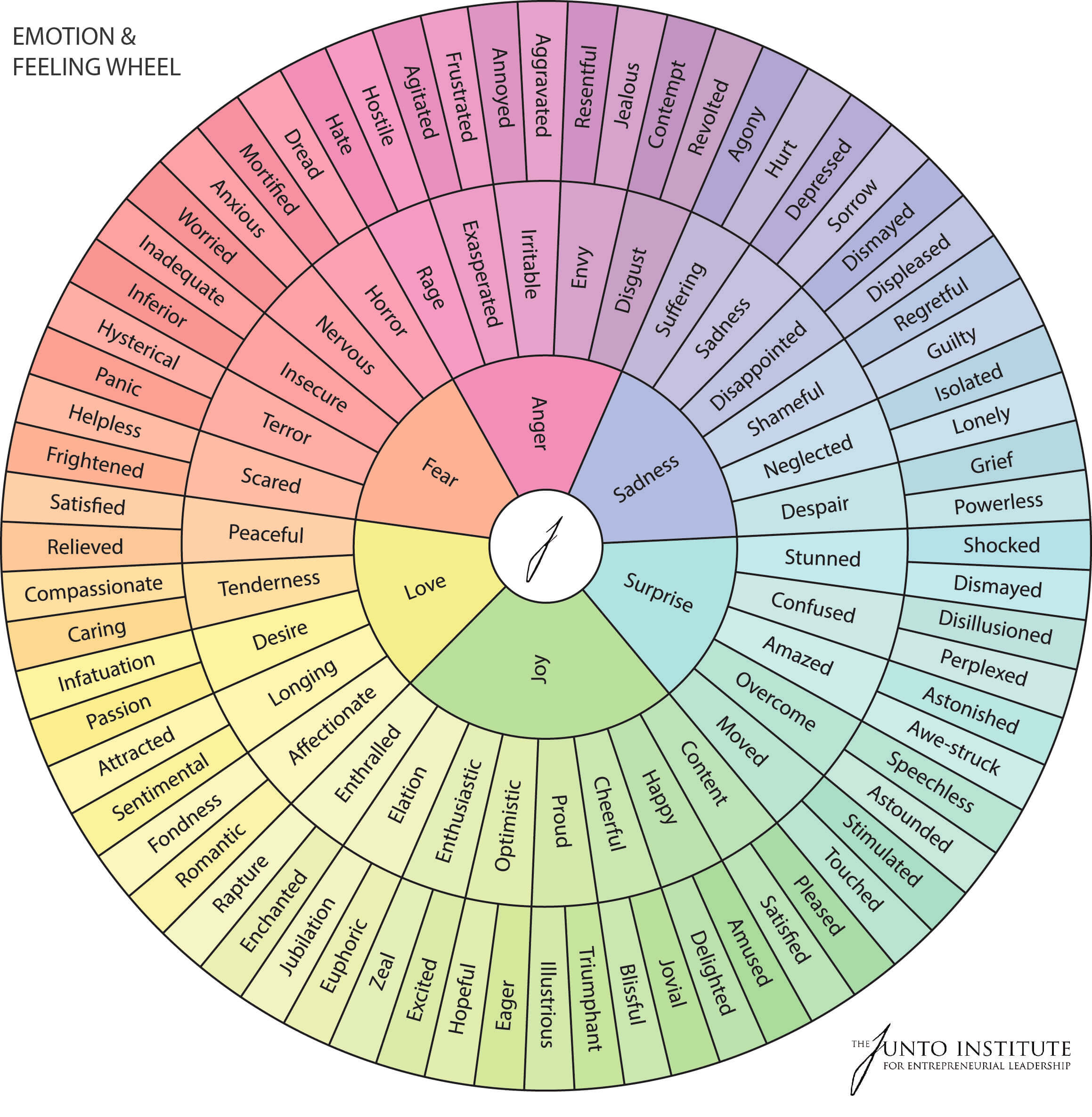
    Takeaway: Connecting to our feelings, understanding them, and accepting them is necessary in healing unresolved experiences and living fully. “Processing” Emotion Steps: (1) Notice (2) Name (3) Understand (4) Soothe/Move

    Practice (1:11): SEAT, name Sensation, Emotion, Action, Thought

    Journal & Thought Prompts: How would you describe your relationship to your emotional world? How do you tend to “feel your feeling”? How were emotions expressed growing up? What was your experience in the exercise?

    “Practices from the previous video and the SEAT exercise help us feel our feelings in a structured and manageable way.”

    Resource: Feelings Wheel in Color

  • • 11/10/23

    Heart 2: Self-Compassion (Video 10/12)

    Takeaway: Feeling and understanding our emotions gives us access to self compassion. Self compassion is more effective toward change than self-criticism and can ‘soothe’ our systems.

    Practice (1:16): With a hand on your heart and a deep breath, say: “This is a hard moment, suffering is a part of life, may I be kind to myself in this moment, may I give myself the compassion I need.”

    Journal Prompts: Craft your own self compassion mantra or template. Remember to name the experience that is difficult, name a reality of our common humanity, and bring in kind and mindful awareness.

    “Self compassion is how we honor our emotions and honor our humanity.”

    Additional Readings

    Self Compassion, Kristin Neff, PhD

    Web Resource: Self Compassion Exercises

  • • 11/11/23

    Brain: Unconscious Learnings (Video 11/12)

    Takeaway: Our brains overgeneralize and apply learnings to many situations. Trauma brings us to the past and we view current moments from past lenses. Practicing presence brings us to the now and allows us to take in new information that leads to healing and change.

    Action: Understand your history and patterns. Talk to a trusted family member or friend about early life context.

    Practice (3:50): I'm in Memory, Hand on heart, say to self, "This situation reminds me of what I experienced in the past when ____________." Follow with favorite self compassion statement. (Exercise taken from Unlocking the Emotional Brain by Bruce Ecker.)

    Journal & Thought Prompts: What do you already understand about your history and patterns? What have you learned through your experiences that is no longer true? Is there an outside perspective who can help here?

    “By becoming present - we can start to train our brain to notice that things are different now - these can be tiny moments of healing.” 

  • • 11/12/23

    Final Thoughts and the Gifts of Mindful Presence (Video 12/12)

    Final Takeaways: The tools of this course act as medicine for healing the wounds that need tending to AND as nourishment for a life that supports wellbeing, vitality, and engagement.

    The path towards healing is also a path towards the core of ourselves. Mindful presence gets us there by helping us notice where we’re at, what we need, and who we are.

    Journal & Thought Prompts: How has this experience been for you? Where have you had some challenges and successes? What do you really want to remember?

    Download Outline for Review