
Healing in the Present: Concepts and Skills

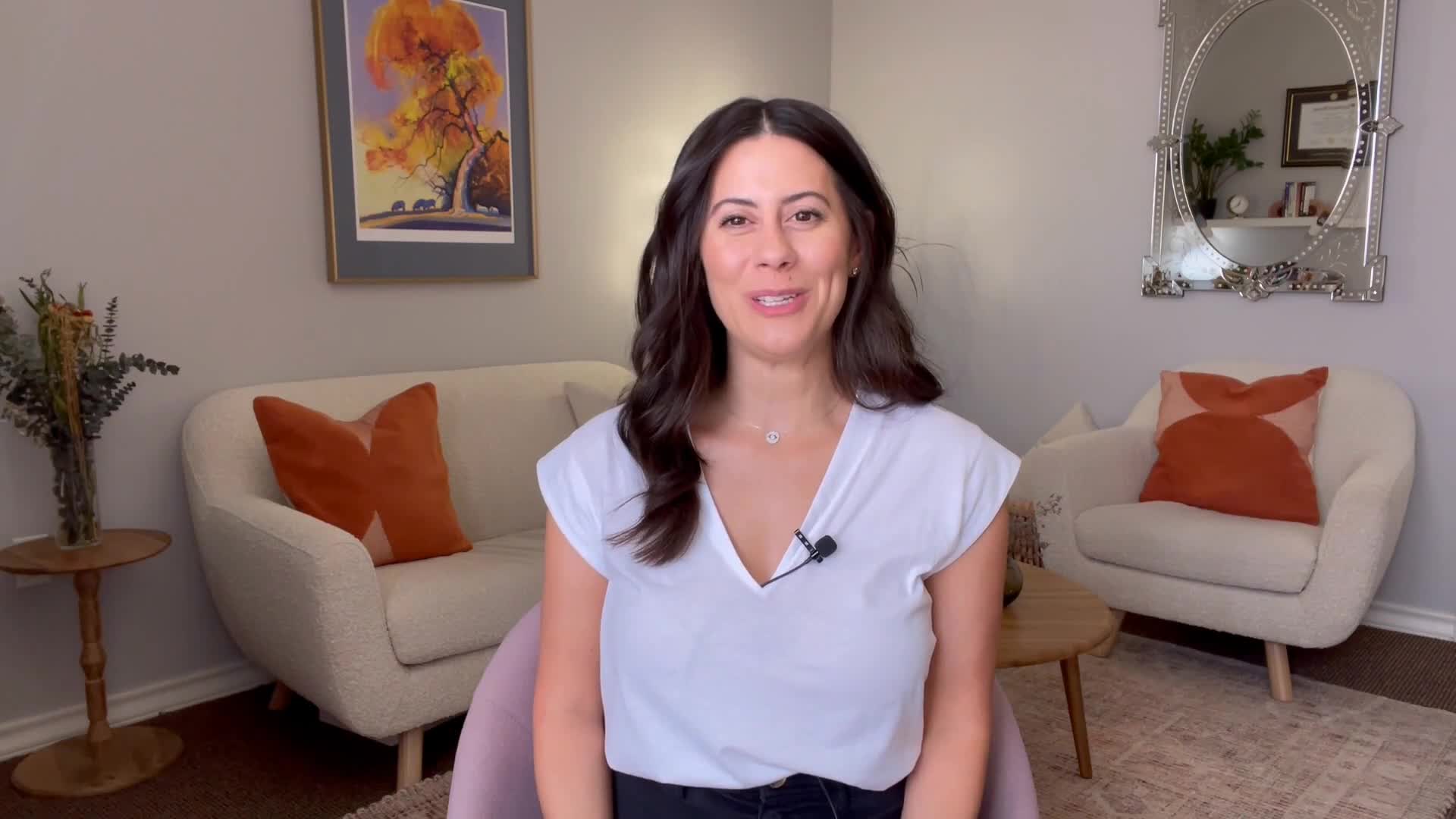
Welcome! This short video series was made to support to my clients, and their Nervous Systems, as we step into the gritty work of healing and trauma recovery. The mini lessons are educational, practical, embodied, and created to build competence, groundedness, and hope. So, please stay a while, reflect, and let me know what you learn. -Kristin

Together we’ll explore how difficult experiences impact our systems and how to use lifestyle factors and mindful presence to support healing and build your coping skill and self-care tool kit.

What to expect:

  • 45 minutes of content broken down into 12 short and condensed videos with accompanying written highlights, journal prompts, and practices.

  • Lessons on the Nervous System, Emotional Awareness, Unconscious Learnings, Mindfulness, and Lifestyle Factors that support healing.

  • Coping skills, guided meditations and practices, downloadable outline and journal pages, and practical applications of the material.


Skip to Videos
  • Safety in Healing (Video 4/12)

    Safety Takeaway: Creating and noticing safety is our first healing goal. Danger (real or imagined) keeps us in survival mode. Practices and lifestyle changes help shift us into a space more conducive to healing.

    Practice (2:27): Orienting towards safety: Take a breath. Mindfully notice cues in your environment that indicate you are here and safe.

    ‘Regulation’ & ‘Resourcing’ are therapy specific terms that often describe practices and coping skills that aim to soothe your nervous system or bring it back to it’s optimal state.

    Journal & Thought Prompts: What was it like to orient to your space? What challenges arose? What in your current life indicate safety or danger? What can you do to bring more physical or psychological safety to your life?

    “Many larger challenges are not quickly or easily resolvable, but they do need to be prioritized and may indicate a greater need for supportive practices and lifestyle changes.

    Additional Readings

    Becoming Safely Embodied: A Guide to Organize Your Mind, Body and Heart to Feel Secure in the World, Deirdre Fay, MSW

  • Social Media Course image healing mindfulness coping skills.png

    Rest & Restorative Activities (Video 5/12)

    Rest Takeaway: Rest and sleep are different but equally important. Rest is the bridge that gets us to better sleep. Rest and quality sleep help our system integrate past and daily life.

    Action: Learn about 7 types of rest and determine your needs (physical, mental, spiritual, emotional, sensory, social, and creative). Incorporate restorative activities like gentle movement, time in nature, reading, journaling, crafting, and meditation into daily life.

    Tip: Restorative activities that incorporate rhythm are particular helpful in regulating our systems. Walking, dance, sewing, swinging, and even the sound of ocean waves offer a sense of rhythm. Try using a restorative activity as a transition activity, for example, when you end work, arrive home, or before bed.

    Practice (1:14): Comforting Place Meditation, use sensory memory to deepen the experience.

    Journal & Thought Prompts: Explore and describe favorite restorative activities or places. Where can you incorporative these into your daily life? Are there certain days in your week where rest is hard or extra needed? What thoughts, feelings, or situations prevent you from getting rest?

    “Remember there are passive and active forms of rest. We ‘rest’ through engaging with restorative activities.”

    Additional Readings

    Resource: Sacred Rest, Saundra Dalton-Smith, MD

  • Food & Mindful Eating (Video 6/12)

    Food Takeaway: Mindful eating can help us to feel more present, aids in digestion, and can begin to shift our experience and relationships with food.

    Mindful Eating Practice (2:25): Slow down, serve and seat yourself, gaze at your food, experience the meal with all senses, check in on hunger and fullness.

    Journal & Thought Prompts: Describe your current and ideal relationship with food? What associations do you have for different foods or meal time?

    “Mindful eating can help us shift from using food as an escape from discomfort to using food as a source of true nourishment and enjoyment.”

    Additional Resource

    Resource: The Center For Mindful Eating

  • Supportive Relationships (Video 7/12)

    Supportive Relationships Takeaway: Healthy relationships improve quality of life. Our systems find regulation and also learn how to regulate through coregulation. Lean on trusted others in hard moments.

    Practice (2:21): Safe Person Meditation

    Journal & Thought Prompts: What was your experience of being “attended to” as a child? What are ways that you have been using coregulation in your life? What stops your from reaching out for support? Take an inventory of your social support system, where are you needing more connections, where are you feeling content?

    “We weren’t built to be handling hard things on our own.”

    Additional Readings

    Platonic: How the Science of Attachment can help you Make and Keep Friends, Marisa Franco, PhD