
Individual Therapy
Therapy is a process of intentional exploration and a journey of self-discovery.
Rediscover & Connect with Yourself.
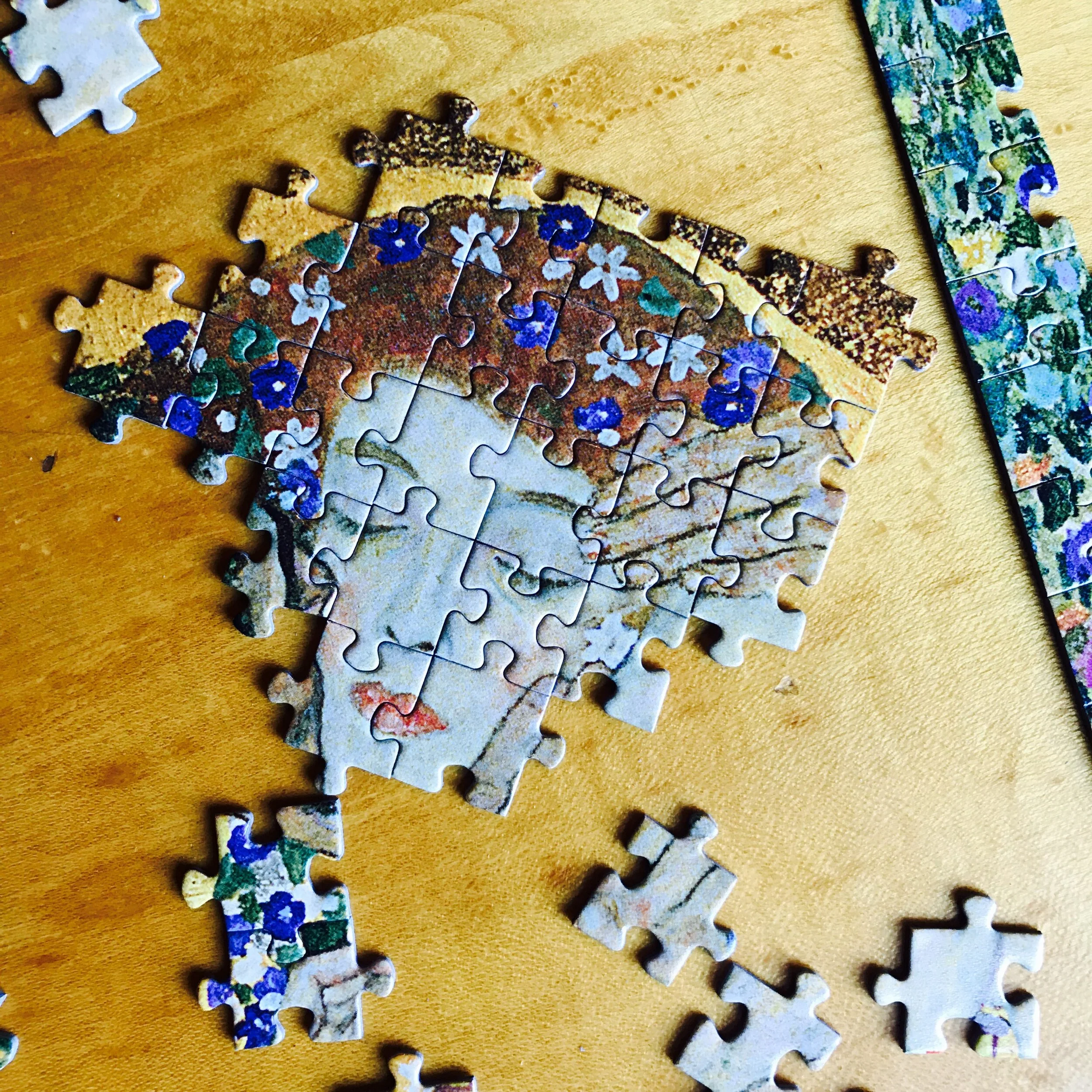
In the process of putting words to experiences, we are able to find important understandings about ourselves and our relationship with the world around us. In individual talk therapy, we use words to find meaning, to make sense of behaviors and emotions, and to offer new possibilities and awaken inner resources. And when we share our stories, anxieties, and tender spots with another, we are also reminded that we aren’t alone.
An experiential addition: while words are a primary vehicle for expression and organization, there are other ways that our inner experiences and knowings can come forth. In talk therapy we may also want to make space for our embodied experiences. Read more about the experiential piece below.
An Experiential Approach
My work is grounded in experiential, attachment-oriented therapy. This means we don’t only talk about your experiences—we gently work with them as they arise in the present moment, allowing insight to unfold from lived experience rather than reflection alone.
As you share, we might slow down and notice what is happening right now—body sensations, emotional shifts, unconscious beliefs, or internal parts that become activated in certain situations. We may stay with a feeling just a little longer, track a sensation, or explore a pattern as it shows up between us. In this way, talk therapy becomes more embodied and relational, deepening understanding beyond words.
By making contact with your experience in a supported way, your nervous system has the opportunity to reorganize and integrate what has felt stuck. This approach honors the intelligence of your system. Symptoms are not viewed as flaws, but as adaptations that once made sense.
Individual Therapy as a Space for Self-Discovery
Areas We May Address
Individual counseling is a space to explore:
Anxiety and chronic stress
Relationship and attachment patterns
Life transitions and identity questions
Self-worth, inner criticism, and perfectionism
Grief, loss, and unresolved emotional experiences
Rather than offering quick solutions, we work toward deeper understanding. Many symptoms begin to soften when they are met with compassion and clarity.
The Approach
My work is relational, trauma-informed, and grounded in careful listening. I draw from Internal Family Systems (IFS), Somatic Experiencing, mindfulness practices, and attachment-based perspectives — not as rigid techniques, but as lenses that help us understand your inner world more fully.
Even when therapy is primarily conversational, we recognize that your history, nervous system, and protective patterns influence how you move through life. By gently exploring these layers together, we create space for greater self-trust and flexibility.
When we approach your experiences with curiosity instead of judgment, new possibilities begin to unfold.
What Individual Therapy Looks Like?
Our work begins with conversation.
We explore what brings you in, what feels stuck, and what feels alive but perhaps hard to access. We pay attention to recurring themes — in relationships, in self-talk, in the ways you respond to stress or conflict.
As we talk, we may also gently notice what is happening in the present moment:
How certain topics shift your energy
Where emotion shows up in your body
When fear or self-judgment takes over
What parts of you feel protective, hopeful, tired, or unsure
This experiential awareness is not separate from talk therapy — it deepens it. When we notice and name what is happening internally, insight becomes more embodied and meaningful. Over time, this process supports not just intellectual understanding, but lived change.
Coming Home to Yourself
Healing in individual therapy often looks like:
Feeling less reactive and more steady
Understanding the impact of past experiences on current life
Having more choice in how you respond
Relating to yourself with greater compassion
Experiencing deeper connection in your relationships
Over time, therapy becomes less about managing symptoms and more about living from a place that feels grounded and authentic.
If you are ready to begin this work, I would be honored to walk alongside you.
Books & Resources
These books reflect themes we often explore together in therapy: self-understanding, emotional awareness, relationships, and nervous system regulation.
-
Self-Therapy; Jay Earley, Ph.D. (discover your inner world)
The Dance of Anger; Harriet Lerner, Ph.D. (emotions + boundaries)
My Grandmother’s Hands; Resmaa Menakem, Ph.D. (anti-racism work)
Maybe You Should Talk to Someone, Lori Gottlieb (therapy talk)
Self-Compassion, Kristin Neff, Ph. D.
I Don’t Want to Talk About It, Terrence Real (Male Depression)
Adult Children of Emotionally Immature Parents, Lindsay Gibson, Ph.D.
The Body is Not an Apology, Sonya Renee Taylor (self acceptance + social justice)
-
Come As You Are, Emily Nagoski, Ph.D (female sexuality)
Platonic, How the Science of Attachment Can Help You Make and Keep Friends, Marisa Franco, Ph.D (friendships & relationships)
STRONG: A relationship field guide for the modern man, Kristal Desantis (Men in relationships)
Attached, Amir Levine & Rachel Heller (Attachment styles)
-
Divergent Minds; Jenara Nerenberg (neurodivergence in women)
Unmasking Autism: Discovering the New Faces of Neurodiversity; Devon Price, Ph.D.
Quiet, Susan Cain (Introversion)
The Highly Sensitive Person; Elaine Aron, Ph.D. (Nervous System Sensitivity)
Mindsight; Daniel Siegle, MD (Interpersonal Neurobiology)
-
Sacred Rest, Saundra Dalton, MD
In Praise of Slowness, Carl Honore